
LIFE AFTER TREATMENT
When treatment finishes, you expect to celebrate, but there can be an anti-climax...
We have been there, and it's ok...
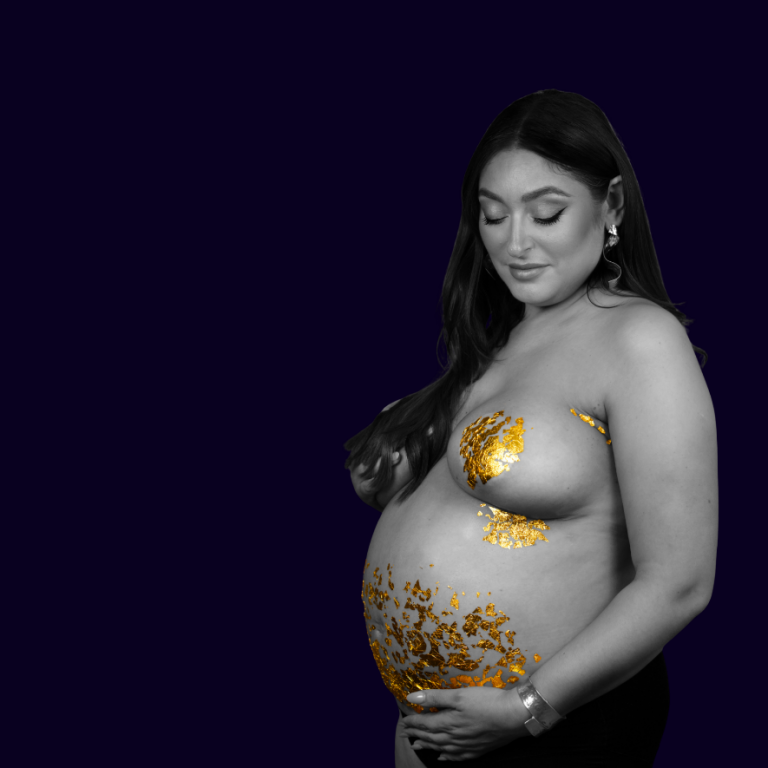
Everyone around you thinks it 'is over' but for you the next stage of 'invisible healing' begins...
There can be a weird moment that doctors don't warn you about...
If you have been going through 'active treatment' or a period of months/years of treatment (surgery, chemo, hospital appointments) what happens next may come as a surprise.
For so long you counted down the days to 'be free'. But when that moment comes, your friends and family often resume life as normal thinking 'all is well'. Suddenly at a time when you were expecting to feel relief, celebration and 'finally free'...you feel empty, lost and unnerved.
After being a patient for that long you become institutionalised - you have had your life structured around appointments and regular contact with medical professionals. When that disappears it can feel very unsettling, your safety net has gone. Who you were before this all happened isn't someone you can relate to anymore, and people around you don't always realise this.
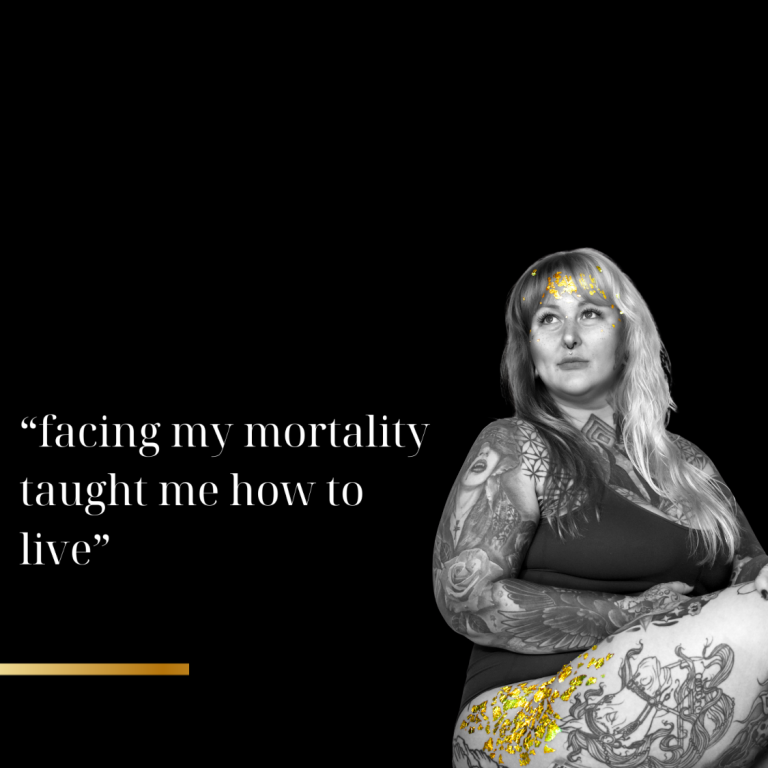
A Moment To Emotionally Heal & Reflect
The first thing you need to do - is take longer to heal than you were expecting.
Patients often plan to return to work as soon as they can after a surgery or treatment ending. What doctors don't always explain is there is the physical healing and the emotional healing. Often, the mental healing doesn't begin until the physical healing ends.
You need time to pause, sit and truly let your brain process what has just happened. Often people are in survival mode throughout the months of treatment and so are running on adrenaline and moving from one appointment to the next. When that stops, there can often be an emotional crash as the body processes everything.
Disenfranchised Grief
There is a type of grief that comes which is not often understood or recognised. Grief of a future you had planned for yourself which can no longer be. You are allowed to grieve the impact to your life as you had planned, and for the future you wanted but might no longer be possible.
What next?
What comes next requires time, patience and reflection.
Depending on whether your diagnosis is life-long, life limiting or life changing. Take time, reflect, process.
It is not uncommon for people to re-evaluate their careers, family desires, relationships and friendships. There can be a post-traumatic growth that comes from facing your mortality through a life changing event, and this comes with changes sometimes.
It is important to realise this is all normal, to be kind to yourself and communicate with those around you and with people who understand.
We have a range of workshops to help process this very pivotal moment in life - The Sunrise Support Programme.
Next toolkit...
LIFE CHANGING DIAGNOSIS
When given a life changing diagnosis, or incurable diagnosis, the impact can be devastating. How do you being to process the news, what happens next, where do you turn. Our next guide covers all the bases...
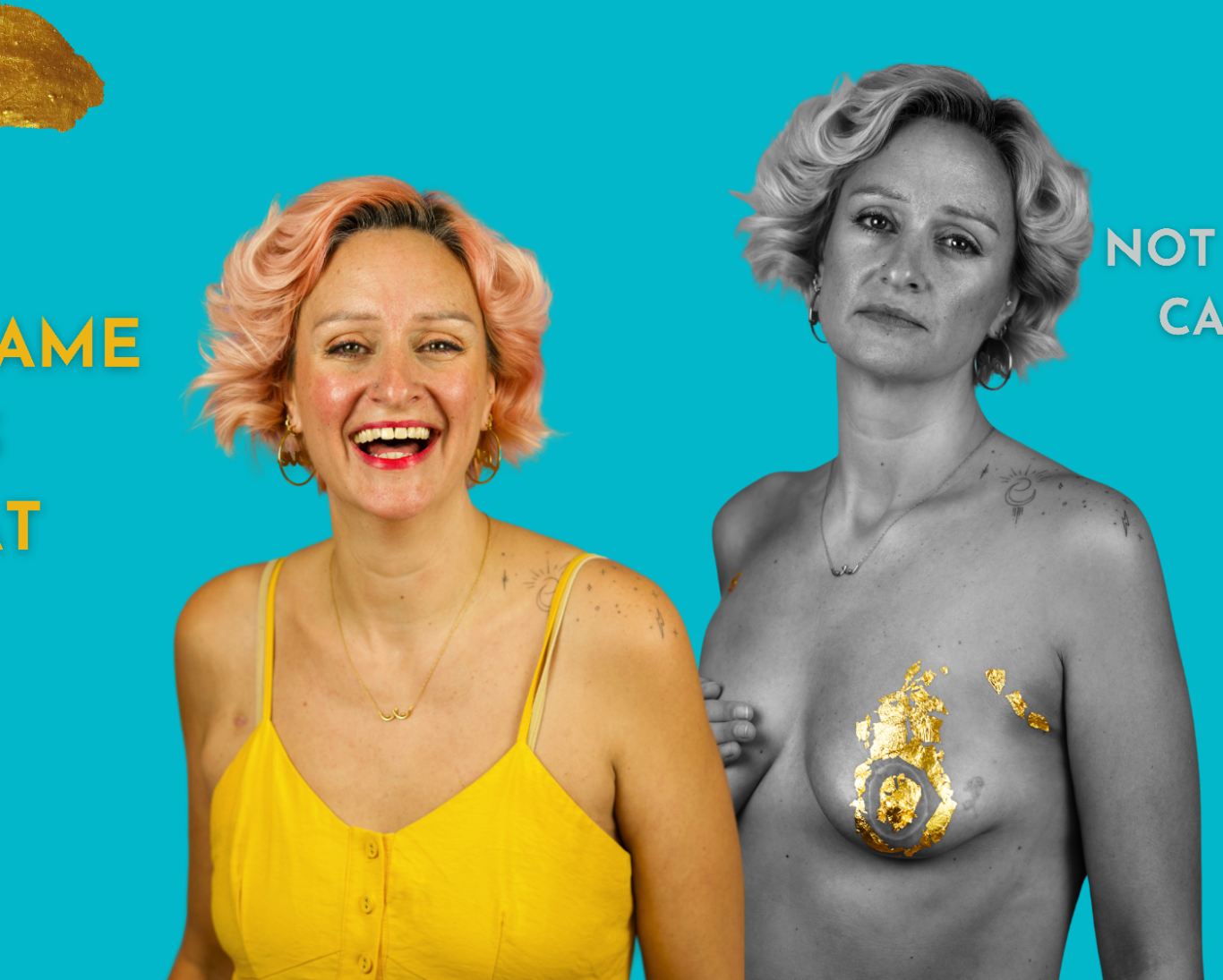
OTHER RESOURCES TO HELP
ONLINE COMMUNITY SUPPORT
An online community support group to speak openly with people who understand.
SUNSHINE SUPPORT PROGRAMMES
A 10-step programme to help you work through the essential parts of recovering from a life changing health challenge.
LIFE LIMITING/
INCURABLE DIAGNOSIS TOOLKIT
More information on what the different specialists are.
Help us continue our work
We are an independent charity, reliant on donations and sponsorship...
As a small but rapidly growing charity, our services rely on every penny donated from individuals, fundraising and sponsors. Every donation goes directly to the vital services straight to people who are facing their mortality at a young age.
Make a one of donation, donate regularly, sponsor or organise a fundraiser. Every pound goes directly to where it is needed, any health challenge.
DONATE TO HELP PEOPLE IN DESPERATE NEED FOR SUPPORT AS THEY FACE THEIR MORTALITY
Information you can trust...
We are regulated by the Patient Information Forum which means we hold the PIF Tick of approval. This shows that the information we share is reliable and safe.