
HOSPITAL SPECIALITIES...
UNDERSTAND WHAT THEY ALL ARE AND WHAT THEY DO
...
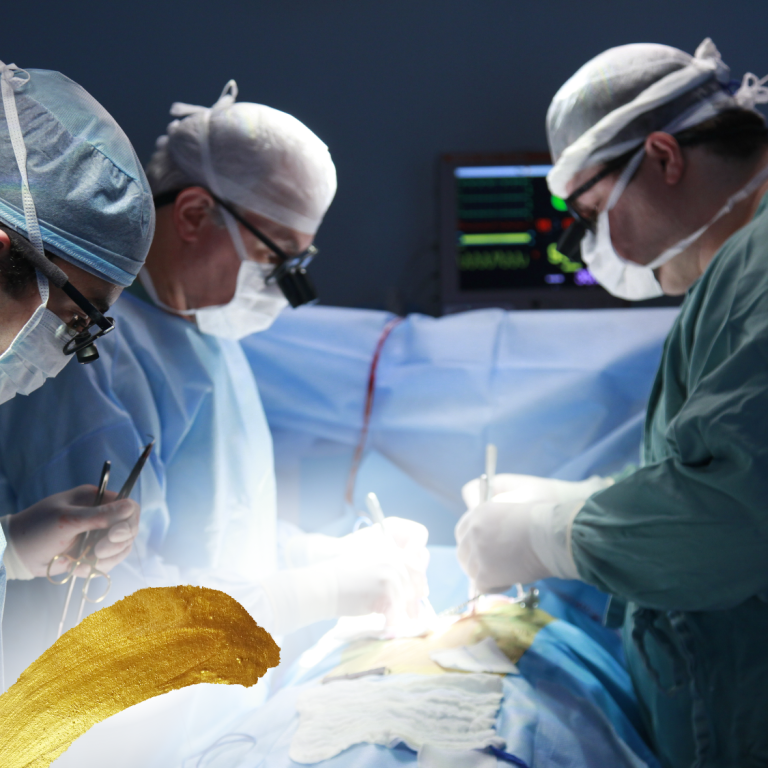
Different Doctors For Different Conditions...
In the UK, hospitals are often divided into various specialties, each focusing on a specific area of healthcare. Understanding these specialties can help patients navigate their healthcare journey and know where to seek assistance for their specific health concerns.


HOT TO ACCESS CARE
Referral: Patients are usually referred to specialists by their General Practitioner (GP). Patients can not demand a referral; the GP will consider your symptoms, potentially do preliminary tests/investigations and then refer you to the right specialist for your suspected or confirmed diagnosis.
The types of referral pathways determine how long you will have to wait. At present in the UK some specialists have long waiting times. If your GP feels your symptoms warrant urgent attention, they can refer urgently. There is a 2 Week Wait pathway (see our specific guide) for referring patients with a suspected cancer diagnosis. If you are concerned about how long you have been waiting, or your symptoms change/worsen - revisit your GP who can help.
EMERGENCY SERVICES
Emergency Services: If you have a medical emergency, visit A&E or call 999. Less urgent matters, particularly out of hours, can be handled by the 111 service which has access to out of hours GP's, nurses and often have access to your medical records if needed.
HOSPITAL SPECIALITIES
1. Accident and Emergency (A&E)
- Focus: Immediate treatment of acute illnesses and injuries.
- Services: Open 24/7 for emergencies like fractures, heart attacks, strokes, and severe injuries. Not every hospital has an A&E. Emergency Medicine Consultants are the doctors who are specialists in this department.
2. Anaesthetics (Surgery and ITU)
- Focus: There are two main types; 1. Administration of anaesthetics for surgery and pain management. 2. Consultants in charge of ITU, Intensive Care Unit.
- Services: Consultation before surgery to discuss pain relief and anaesthetic options; they are responsible for sedation/anaesthetic during an operation. They can also be present in pain clinics.
3. Cardiology
- Focus: Diagnosis and treatment of heart conditions. Cardiologists are more medical based, whereas Cardiothoracic surgeons are more involved with surgical-based care.
- Services: Managing conditions like arrhythmias, heart attacks, and heart failure.
4. Dermatology
- Focus: Skin conditions and diseases.
- Services: Treatment for conditions such as eczema, psoriasis, and skin cancers.
5. Endocrinology
- Focus: Hormonal disorders and metabolic conditions.
- Services: Management of diabetes, thyroid disorders, and adrenal diseases.
6. Gastroenterology
- Focus: Digestive system disorders.
- Services: Treatment for conditions like irritable bowel syndrome (IBS), Crohn's disease, and liver disorders.
7. General Surgery
- Focus: Surgical procedures on various parts of the body.
- Services: Includes operations involving the abdomen, breast, and soft tissues.
8. Obstetrics and Gynaecology (OB/GYN)
- Focus: Women's health, pregnancy, and childbirth. Obstetricians are more focused on pregnancy related conditions, whereas Gynaecologists are for non-pregnancy related conditions.
- Services: Prenatal care, delivery, and management of reproductive health issues.
9. Oncology
- Focus: Diagnosis and treatment of cancer.
- Services: Chemotherapy, radiotherapy, and supportive care for cancer patients. Oncologists often work closely with specialist surgeons in early stages of treatment. If a cancer is operable (meaning the tumour can be surgically removed) then the Oncologist will work closely with the Surgeon to agree a plan. Once the surgery and post-surgical care is finished, it will be the Oncologist who continues to oversee care.
10. Orthopaedics
- Focus: Bones, joints, and musculoskeletal system.
- Services: Treatment for fractures, arthritis, and sports injuries.
11. Paediatrics
- Focus: Medical care for infants, children, and adolescents.
- Services: Management of childhood illnesses, vaccinations, and developmental disorders.
12. Psychiatry
- Focus: Mental health disorders.
- Services: Treatment for conditions such as depression, anxiety, and mood/personality disorders.
13. Respiratory Medicine
- Focus: Lung and respiratory system diseases.
- Services: Management of asthma, COPD, and pneumonia.
14. Urology
- Focus: Urinary tract and male reproductive system.
- Services: Treatment for kidney stones, urinary incontinence, and prostate disorders.
15. Rheumatology
- Focus: Joints, arthritis and autoimmune conditions.
-Services: Often outpatient-based care for chronic treatment of conditions such as rheumatoid arthritis, SLE.
16. Radiologist (Different to radiographer)
-Focus: Interpreting specialist imaging
-Services: Interpreting imaging such as X-rays, CT scans, MRI's. Interventional Radiologists are responsible for complex biopsies, invasive procedures such as stents and drains.
OTHER RESOURCES TO HELP
INVESTIGATIONS
A guide to explain what the different types of scans are for, what they are looking for and what to expect.

NHS VS PRIVATE
A guide to explain the differences between the NHS and private healthcare. Independently presented to provide a balanced view to allow you to make the decision that is right for you.
Help us continue our work
We are an independent charity, reliant on donations and sponsorship...
As a small but rapidly growing charity, our services rely on every penny donated from individuals, fundraising and sponsors. Every donation goes directly to the vital services straight to people who are facing their mortality at a young age.
Make a one of donation, donate regularly, sponsor or organise a fundraiser. Every pound goes directly to where it is needed, any health challenge.
Information you can trust...
We are regulated by the Patient Information Forum which means we hold the PIF Tick of approval. This shows that the information we share is reliable and safe.